What Are Dental Sealants?
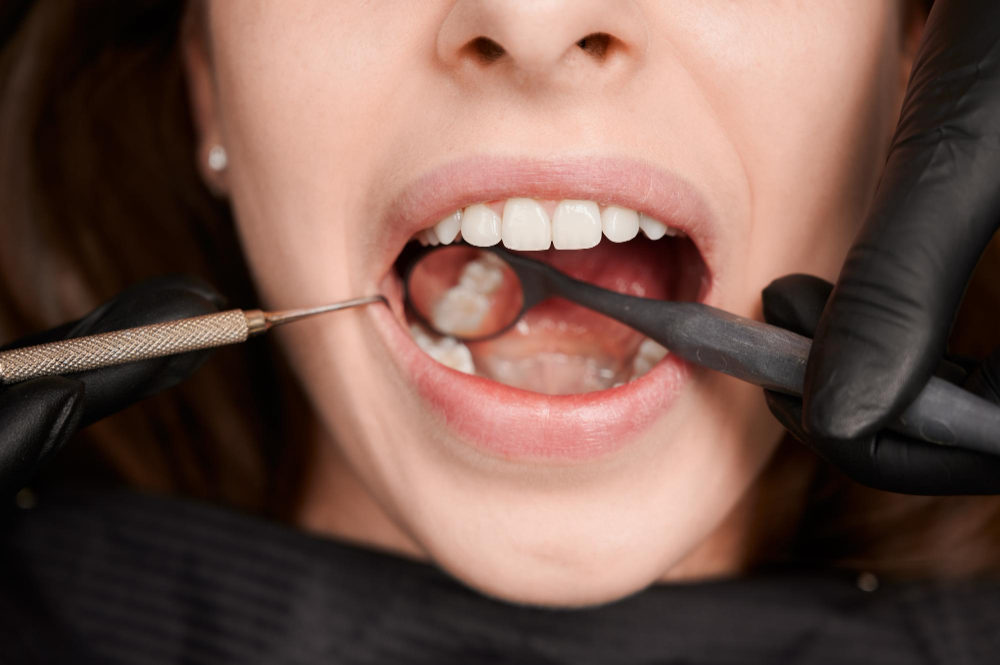
Dental sealants are thin, protective coatings placed on the chewing surfaces of back teeth. Usually, dentists apply them to molars and premolars. These teeth have deep grooves where food and germs can hide. Because brushing may not reach these spots, sealants help block out harmful bacteria. In fact, dental sealants act as a shield to stop cavities before they start.
How Do Dental Sealants Prevent Cavities?
Sealants cover the tiny pits and grooves on your teeth. As a result, food and germs cannot get trapped there. This makes it much harder for cavities to form. According to the CDC, dental sealants can lower the risk of cavities in molars by up to 80%. So, sealants are a strong tool for cavity prevention for kids and adults alike.
Who Should Get Dental Sealants?
Most often, children and teenagers benefit the most from dental sealants. However, adults without cavities or fillings in their back teeth can also get them. Dentists may recommend sealants for:
Even if you brush and floss well, sealants add extra protection.
Application Process: What to Expect
The sealant application process is quick and painless. Here is what usually happens:
Most people feel no discomfort during the process. You can eat and drink right after the appointment.
Benefits and Potential Risks
Dental sealant benefits are clear. They help prevent cavities, save money on future dental work, and are safe for most people. In addition, sealants are easy to apply and do not require drilling. However, there are a few risks to consider:
Overall, the benefits far outweigh the risks for most people.
How Long Do Dental Sealants Last?
With good care, dental sealants can last up to 9 years. However, dentists should check them at each visit. Sometimes, sealants may need repair or replacement. Regular checkups help make sure your sealants keep working well.
Cost and Insurance Coverage
The cost of dental sealants can vary. On average, each tooth may cost between $30 and $60. Many dental insurance plans cover sealants for children and teens. Some plans may also help with adult sealants. It is a good idea to check with your dentist and insurance provider before treatment.
Tips for Maintaining Oral Health with Sealants
Even with sealants, you still need to care for your teeth. Here are some tips:
Sealants work best when combined with good oral habits.
Prevention and Lifestyle Guidance
Besides dental sealants, healthy habits help prevent cavities. For example, eating a balanced diet supports strong teeth. Drinking water instead of soda also helps. If you play sports, wearing a mouthguard can protect your teeth. Remember, regular dental visits catch problems early. With the right care, you can keep your smile healthy for years.
Dental sealants are a simple way to block cavities and protect your teeth. Consult Ahuja Dental Care to find out if dental sealants are right for you. Our expert team is here to guide you in maintaining a healthy and beautiful smile.